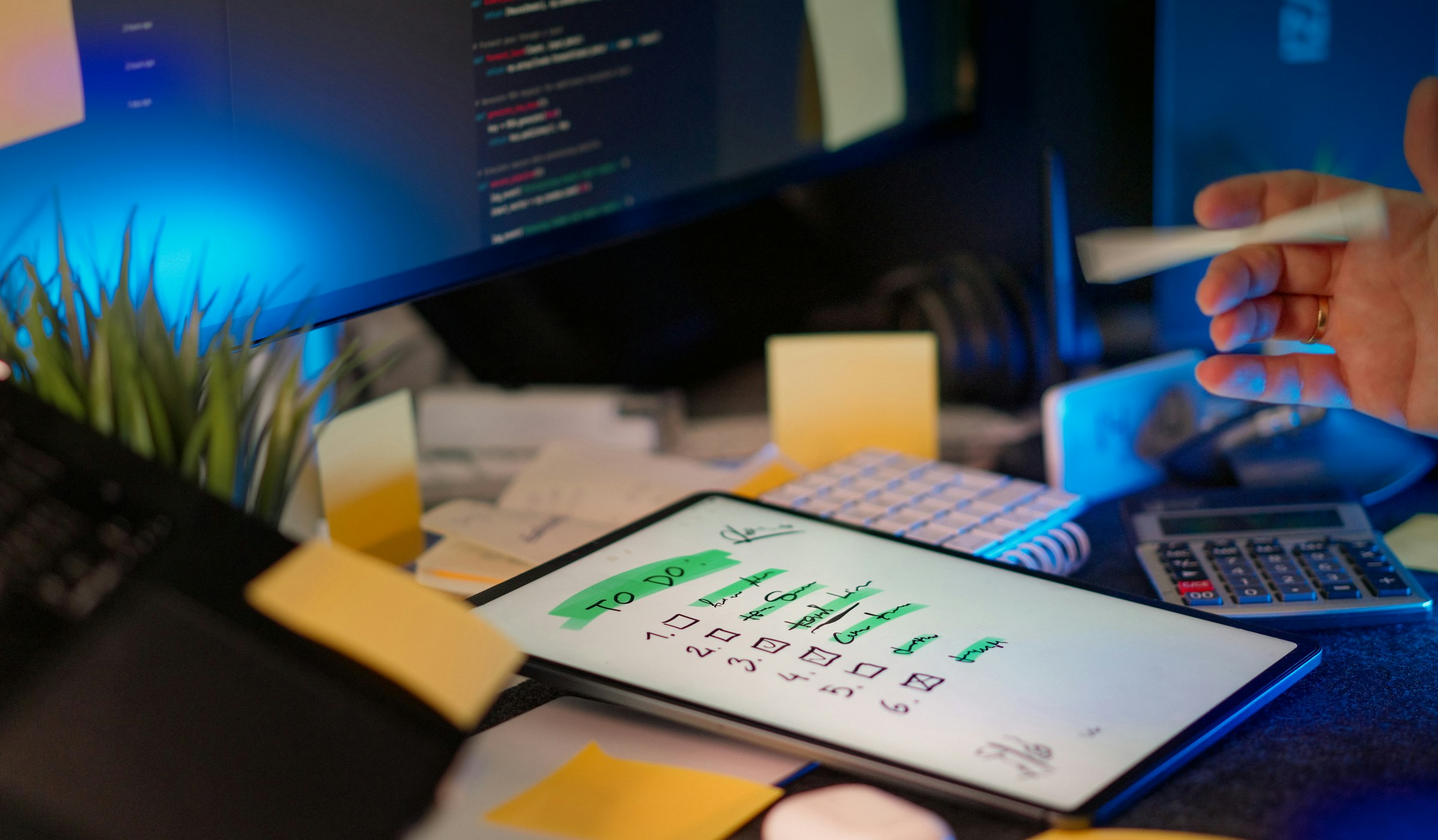
TL;DR: connect Kelvia over MCP and Claude Code can create tasks, post comments, log time and move work on the same board you use.
Claude Code knows your repo. What it does not have by default is a decent memory of the actual job. Chats end. Context gets compacted. That perfect plan from Tuesday becomes digital archaeology by Friday.
How does Claude Code use a task manager?
It is less dramatic than the AI demos make it look. Claude reads a task, works on the code, posts what it found and moves the card when the status changes. No robot orchestra. Just fewer copy-paste laps between the terminal and the board.
The useful bit is that the board survives the chat. Your teammate does not need to read 600 lines of agent transcript to learn that the test failed and task #42 is still blocked.
How do you connect Claude Code to Kelvia?
Create a free Kelvia account, then add the hosted Streamable HTTP endpoint:
claude mcp add --transport http --scope user kelvia https://mcp.kelvia.app/mcp
claude mcp list
Open Claude Code, run /mcp, choose kelvia and complete authentication in the browser. This follows the remote HTTP and OAuth flow documented by Anthropic's Claude Code MCP guide. Verify it with one plain request:
List my Kelvia boards. Do not change anything.The read-only check is deliberate. First confirm the account and workspace, then ask for a write.
What can Claude Code do on a Kelvia board?
Kelvia exposes 58 MCP tools. The useful part is not the number but the shape of the workflow:
- Read boards, columns, tasks, comments, activity, tags and current stages before making a plan.
- Create and update tasks with priority, due date, assignees, watchers, tags, parent task and stage.
- Post comments and worklogs so progress lives next to the task instead of disappearing into a terminal transcript.
- Start and complete stages, manage a backlog and build a personal time-blocked day plan.
Tool annotations tell the client which calls are read-only or destructive. Claude Code can auto-approve harmless reads while keeping consequential writes visible.
Should Claude Code use OAuth or an agent key?
Use OAuth for your own interactive Claude Code sessions. Setup takes two commands and no token is pasted into a project file. The connection acts with the permissions of the approving user.
Use an agent key when Claude needs a separate identity. In Kelvia, that identity can be added only to selected boards, receive a board role, get read/create/edit/delete scopes and carry an expiry date. Its comments, task changes and worklogs are attributed to the agent, not to you. If the job ends, revoke the key without touching the human account.
Which Claude Code task prompts work well?
Ask for a read, a proposed change and the write as separate phases. This keeps the agent from turning an ambiguous sentence into ten unwanted tasks.
Read task #42 and inspect the related code. Do not edit the board yet.
Return the likely cause, the files involved and a three-step plan.
After I approve it, post the plan as a comment and move the task to In Progress.
For the end of a session:
Run the relevant tests. If they pass, add a concise worklog to task #42,
comment with the result and files changed, then move it to Review.
Do not mark it Done.
What does a task manager not solve?
It will not turn a vague task into a good task. It will not stop Claude from confidently fixing the wrong thing. And it definitely will not replace review. Kelvia keeps the work visible; your brain is still part of the stack.
My default is boring on purpose: let the agent read, ask it to preview bulk changes, and require approval for deletion or role changes. Boring permissions beat an exciting incident report.
For every setup option and troubleshooting check, use the Kelvia MCP documentation. The server is open source on GitHub, so you do not have to trust a landing page written by the guy selling you the landing page.
FAQ
Can Claude Code manage a task board?
Yes. With an MCP task manager it can read boards and perform the actions that server exposes. Kelvia supports the complete path from task creation through comments, worklogs and stage changes.
Does Kelvia require an API token in Claude Code?
No for the recommended setup. OAuth opens in the browser. Agent keys are optional for a separate identity and narrower access.
Can Claude Code log time in Kelvia?
Yes. It can read, create, update and delete task worklogs, subject to its scopes and board role.
Is Kelvia MCP open source?
Yes. The server is published under the MIT license, so its tool definitions and authentication behavior can be inspected.
One board for people and agents
Ready to give Claude Code somewhere to leave the work?
Start with OAuth, test one read and let the first write be a task you can see.
Try for free